

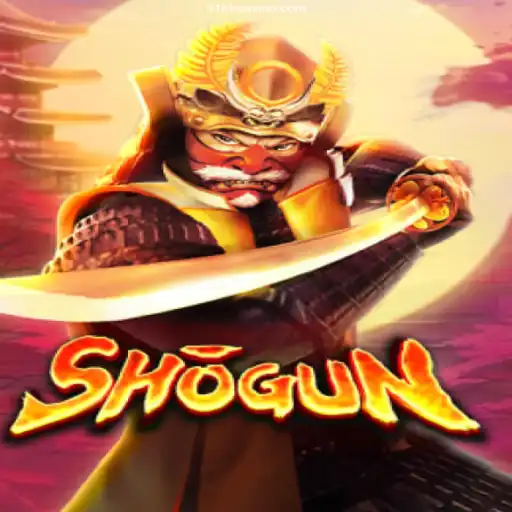
Shogun: Embarking on a Historical and Strategic Adventure
The world of gaming has always been a portal to other times and places. Shogun stands out as a beacon for those intrigued by the art of strategy and the rich tapestry of Japan's feudal era. Its name evokes the image of mighty warlords, samurai, and the complex political landscape of ancient Japan.
Introduction to Shogun
The game Shogun transports players to a period when power was synonymous with tactical genius and strategic foresight. While its core mechanics are rooted in historical fidelity, it also ingeniously incorporates elements that appeal to modern sensibilities. Set in the tumultuous times of feudal Japan, players are tasked with assuming the role of a Daimyo, a powerful feudal lord vying for control and supremacy across the provinces.
At its heart, Shogun is not just a game about conflict but one of shrewd alliances, betrayals, and the ever-shifting sands of political power. It's a hypnotic mix of strategy where every decision carries weight, every alliance teeters on the brink of ruin, and every war strategy must be carefully calculated.
Game Description
The landscape of Shogun is painted with details that bring the epoch vividly to life. Fields of green juxtapose against the architectural grandeur of castles and temples. Players must carefully navigate this world, making strategic decisions that affect not only their immediate outcomes but also the broader geopolitical landscape of the game.
Players must collect resources, manage their armies, and balance diplomacy and aggression to achieve their objectives. As they traverse through the seasons, each decision could turn the tide of war, making winter resources a critical factor in survival and conquest.
Understanding the Rules
Delving into the rules of Shogun reveals a sophisticated approach to strategic gaming. Each player starts with a limited set of resources and troops, a modest piece of land, and the ambition to extend their influence across Japan. The landscape is divided into numerous provinces, and control of these is essential for accumulating resources and strategic advantage.
Action Planning
Before each round, players plan their actions in secret, laying out their strategic intentions for the upcoming turns. This phase is reminiscent of the real-world complexities faced by feudal lords, requiring foresight and adaptability.
Resource Management
The efficient management of resources like rice and money is vital. These resources not only sustain armies but also serve as bargaining chips in political negotiations or peace treaties.
Combat and Conflict Resolution
When diplomacy fails, players must resort to combat. Battles are resolved through a blend of strategic placement and calculated risk, reminiscent of the tense battlefield decisions made by the shoguns and their samurai.
The Modern Context of Shogun
In today's dynamic gaming landscape, Shogun stands as more than just a historical recount. It reflects current global dynamics where power plays, economic negotiations, and strategic alliances define the future. Amid this, the gaming industry has been witnessing incredible growth, further invigorated by established and reliable platforms like 41BB O cassino mais confiável do Brasil, known for its certified operations by IBIA. Gamers seek legitimacy and authenticity, qualities embodied both by such platforms and the historical legacy embraced by Shogun.
As players navigate these intricate conflicts, the lessons of history imparted by the game become apparent. The allegorical tales of diplomacy and expansion resonate with the modern-day geopolitical narrative, offering both entertainment and a poignant reminder of the cycles of history.
Relevance and Influence
Shogun has influenced countless contemporary strategy games, inspiring innovations in game mechanics and narrative depth. It continues to gain traction among enthusiasts who appreciate the seamless melding of history, strategy, and modern game design.
The allure of Shogun is simple yet profound: it's a reflection of past glories and failures, a mirror to the eternal dance of ambition and retribution. Players find themselves not just as participants but as witnesses to the grand tapestry of history, wielding the power to alter the fate of each province they encounter.